

WhatMakes ItDifferent?
The foundation every AI initiative depends on
Most technology leaders know DevOps, the discipline that governs how code moves into production. DataOps is its parallel: it governs how data gets maintained. DevOps builds the pipes. DataOps keeps the water clean.
That distinction matters because your systems can run perfectly, with no errors and no outages, while the data flowing through them quietly goes bad. For AI to deliver, the water has to be clean before it reaches the model and stay clean as your business changes around it.
The DataOps Foundation starts by understanding your data, pipelines and business, deploys continuous monitoring on the platform you already run, and hands your team the processes to own data quality long-term. Behind it is the dbSeer DataOps intelligent system: AI that watches every pipeline run, separates real problems from noise, and tells the right owner what needs attention.
— The Case for DataOps
Why Data Quality Matters
New pipelines break. Business logic changes. Teams grow. Data quality degrades continuously, so the monitoring, processes and ownership that keep it healthy have to be part of how your organization works.
Data and analytics professionals estimate their organization loses more than $5M a year to poor data quality
Source: Forrester, 2023
Average annual cost of poor data quality to an organization
Source: Gartner
— How the DataOps Foundation Works
From health review to a program your team owns
We start by understanding your environment, build the foundation on your infrastructure, and then you choose how much help you want to run it.
Data Health Review
We map your data stack, pipelines and quality risks, then propose a prioritized Foundation plan.
- Assess your data stack and pipelines
- Identify the highest-risk data assets
- Prioritized plan and success criteria
DataOps Foundation
A structured implementation on the platform you already run, ending in a full handoff.
- Monitoring deployed on your infrastructure
- Baselines, ownership and alert routing set up
- Runbook, team training and maturity score
Choose Your Path
Pick the operating model that fits your team.
- Self-Operate: your team runs the program on its own
- Co-Manage: dbSeer provides expert oversight and tuning while your team owns business engagement
- Fully Managed: dbSeer runs the full program
Works with your existing stack: AWS and Databricks environments, leading cloud data warehouses, your team’s alerting channels and your semantic layer. No rip-and-replace.
— 3-Tier Monitoring Model
Three layers of data quality monitoring
From fast structural checks to the business metrics your leadership actually reads.
Tier 1
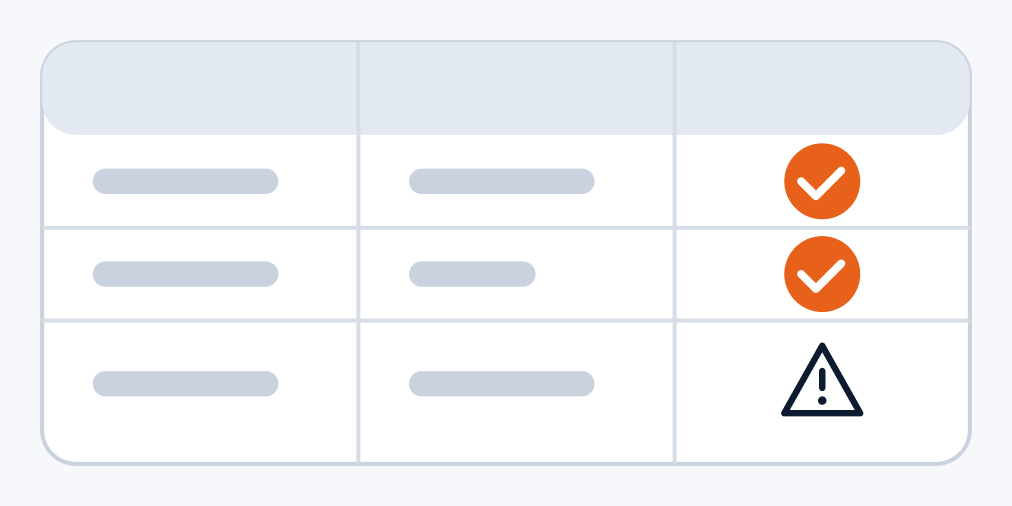
Seconds, every pipeline trigger
Structural Health
Row counts, null rates and schema changes. Fast checks that can stop bad data before it flows downstream.
Can block a pipeline on critical findings
Tier 2
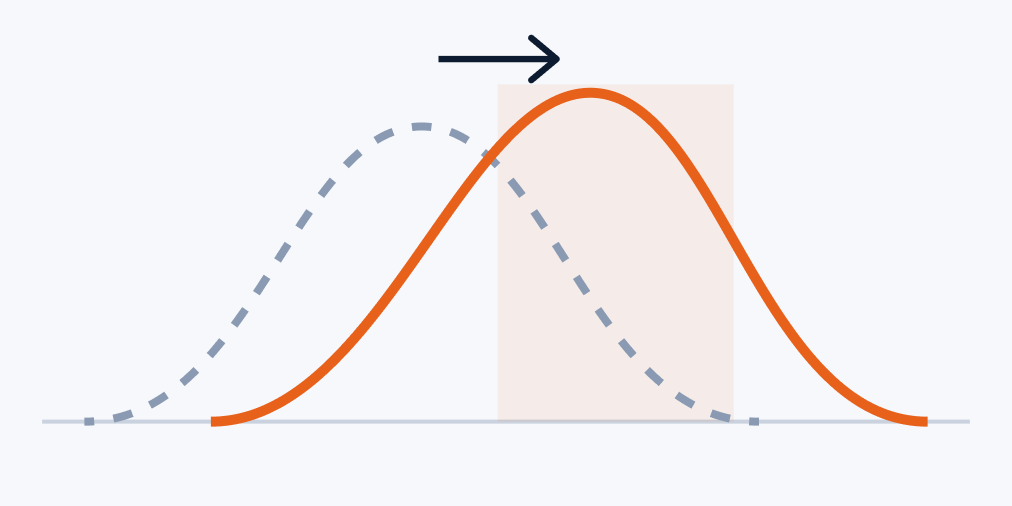
Minutes, after each pipeline run
Statistical Health
Full distributions, percentiles and column drift. Catches subtle degradation that row-count checks miss.
Updates baselines after every run
Tier 3
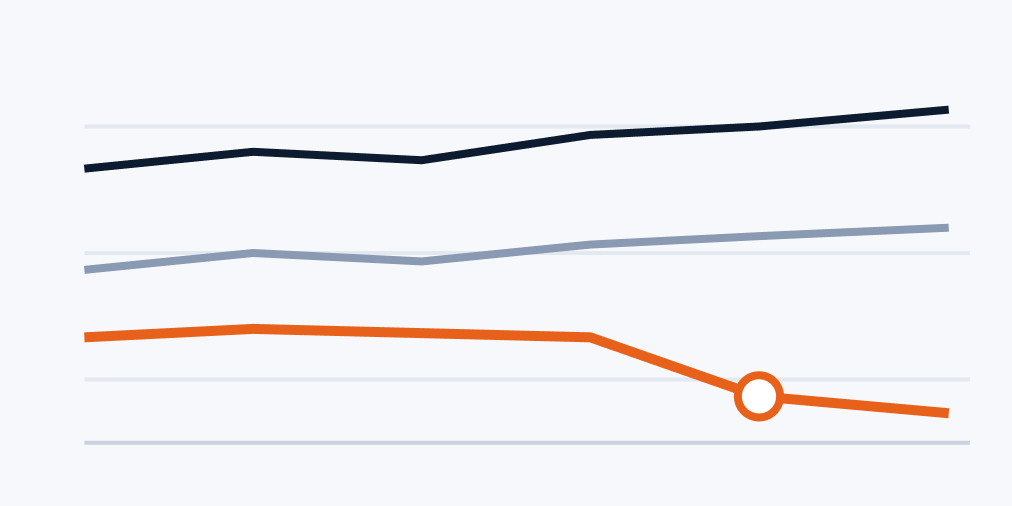
Scheduled, on your business cadence
Business Health
Named metrics sliced by dimension, like revenue by region or orders by channel, where real business signal lives.
Where data meets business outcomes
What You Walk Away With
Built on your infrastructure, owned by your team.

Monitoring stack
Deployed on the platform you already run.

Baselines & anomaly detection
Self-learning baselines across priority data assets, with no manual rules required.

Ownership & alert routing
Data ownership mapped and issues routed to the right team automatically.

Runbook & team enablement
Your team trained to operate, tune and expand the program.

Business engagement process
Review cadences and templates that keep business stakeholders aligned.

Maturity score & roadmap
Where you are today, where you’re going, and what it takes to get there.
The DataOps Maturity Journey
From visible, to reliable, to intelligent data quality.

Visible
Monitoring deployed across your entire data stack.

Reliable
Detection tuned and ownership clear.

Intelligent
Quality improving continuously as processes mature.
Why dbSeer
Startup pace, enterprise rigor.
Foundation-First Delivery
- Understand before we build
- One team from Data Platforms to AI
AWS Advanced Partner
- AWS AI Competency
- MAP-enabled, POC funding access
Databricks Partner
- Governed lakehouses
- Unity Catalog expertise
Claude Partner Network
- Select partner in the Claude Partner Network
- AI-ready data for Claude on Amazon Bedrock, Databricks or the Claude API
FAQ
DataOps FAQ
DataOps is the practice of keeping data accurate, monitored and owned as an ongoing operational discipline. It combines automated data quality monitoring, clear data ownership and defined processes so pipeline issues are caught and fixed before they reach reports, dashboards or AI models.
DevOps focuses on how software is built, tested and deployed. DataOps applies the same discipline to data: it monitors the quality and health of the data flowing through your pipelines. In short, DevOps builds the pipes and DataOps keeps the water clean.
The DataOps Foundation monitors data quality in three tiers. Structural checks run in seconds on every pipeline trigger, statistical checks catch drift after each run, and business checks track the metrics leadership relies on. Alerts route automatically to the team that owns the data.
AI is only as reliable as the data behind it. Inaccurate, incomplete or drifting data leads to wrong answers and lost trust in AI tools. A DataOps foundation keeps the data feeding your AI initiatives accurate and monitored, so results hold up after launch.
No. The DataOps Foundation is built on the platform you already run, including AWS and Databricks environments and leading cloud data warehouses. It connects to your existing alerting channels, so there is no rip-and-replace.
You choose how to run it. Your team can self-operate the program, co-manage it with dbSeer providing expert oversight and tuning, or have dbSeer run the full program as a managed service.
Not sure how healthy your data is?
In 30 minutes, we’ll talk through your pipelines, where data quality breaks today, and what a Data Health Review would cover.
Talk to a DataOps ExpertPrefer we reach out? Leave your details